
Visible design is only the surface. A high-end entrance door is decided by nine engineering dimensions behind it.
Jingyi Doors organizes its existing structural drawings, technical documents, finishing process and custom-project experience into the Jingyi Panjie 9-Dimension Armored Door Engineering System.
“Nine dimensions” does not mean that every door has nine material layers. It is not a national standard, patent, certification or third-party test result. It is Jingyi’s project-confirmation framework: every term should be supported by a drawing, configuration sheet, production record or order specification.
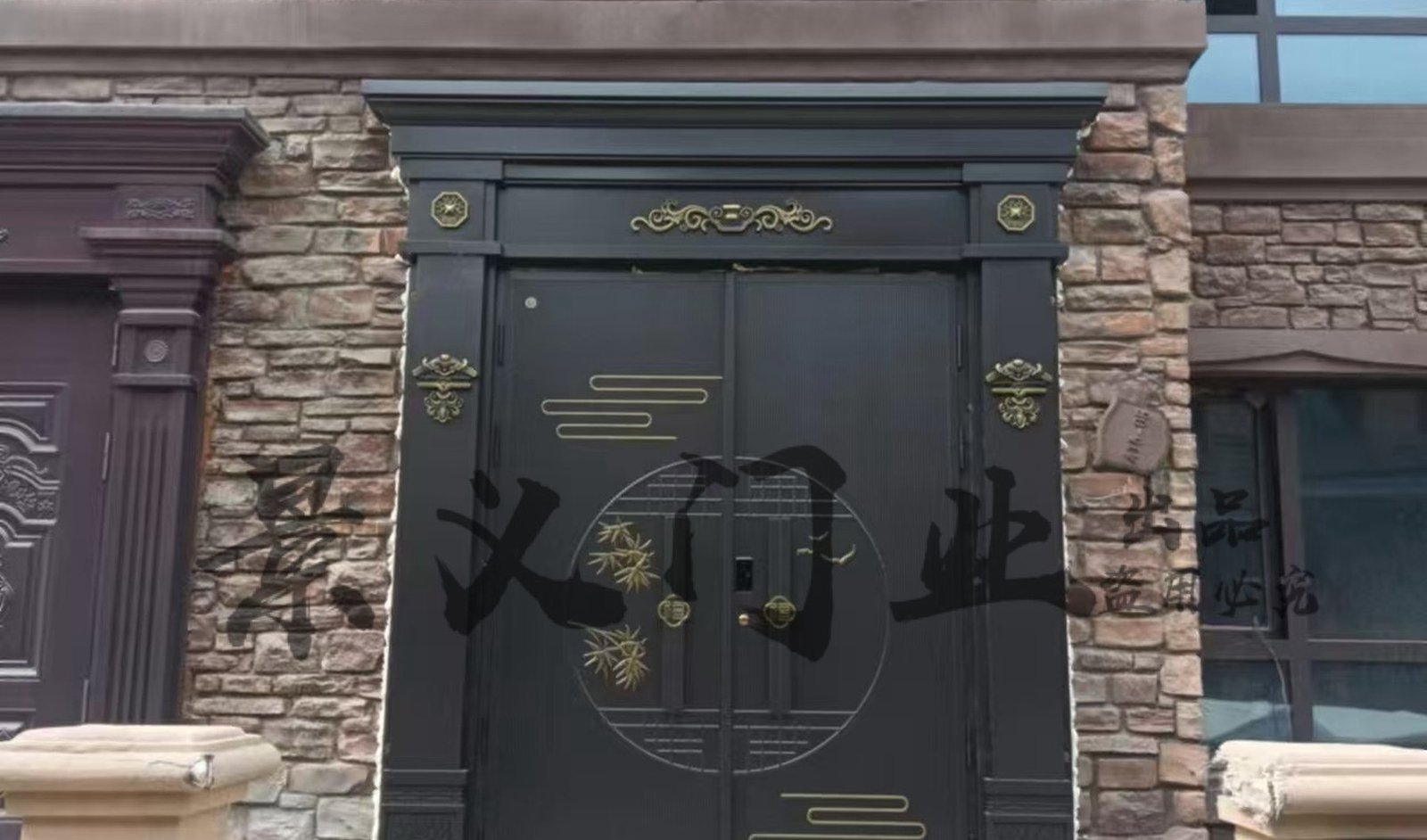
The nine engineering dimensions
1. Panxu: Multi-Structure Matching
A single door structure cannot fit every opening. Jingyi’s current technical manual records 13 structural codes covering steel-frame aluminum-sash doors, all-aluminum system doors, thermal-break doors and pivot doors. The front and rear panels, core, hinges, gaps, opening method and applicable dimensions vary by structure. The first step is to match the structure to the opening, climate, weight and design requirements.
2. Panxin: Six-Sided Box Armored Core
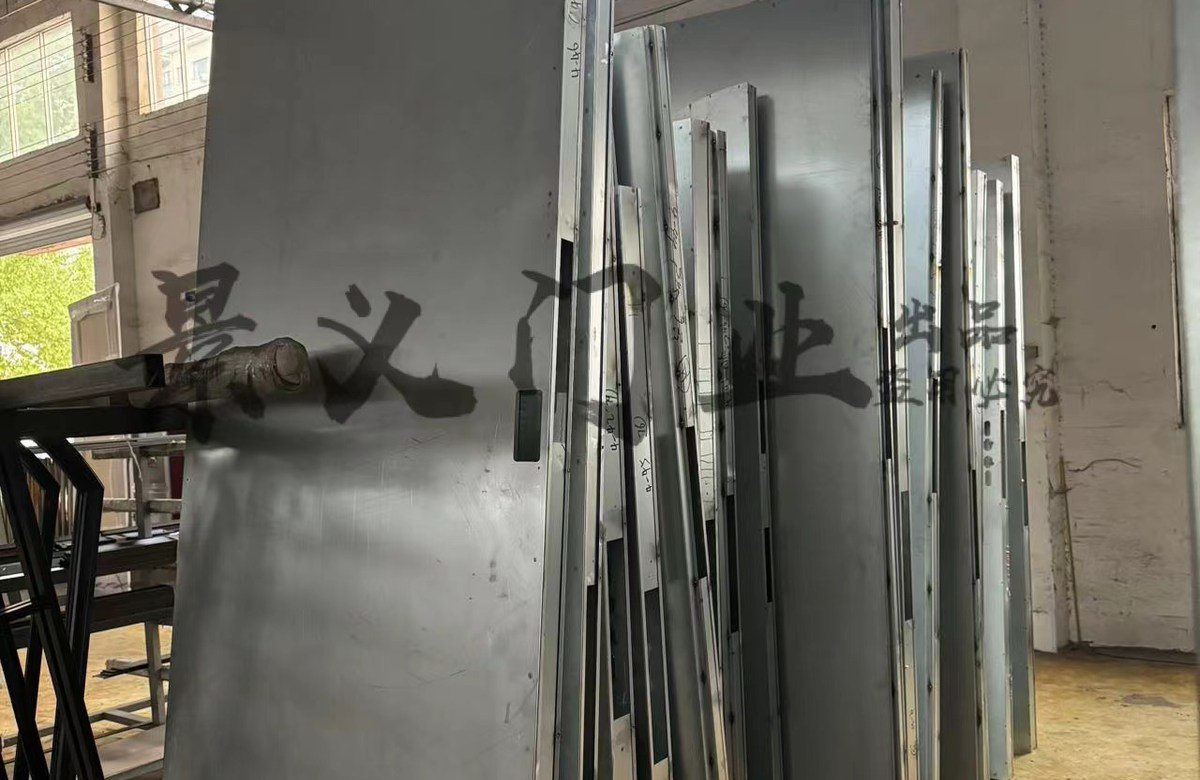
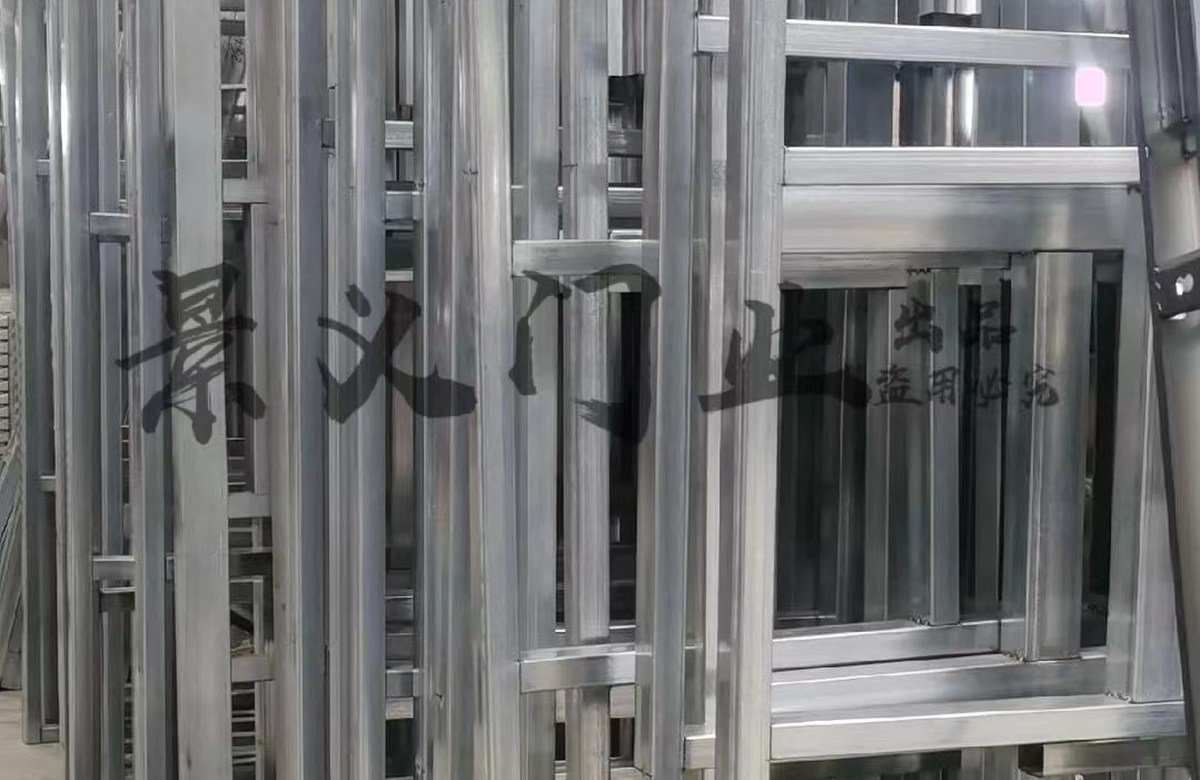
For selected steel-frame aluminum-sash structures, Jingyi uses a combined core made from perimeter profiles, a six-sided box-type internal panel and foam filling. Other structures may use aluminum honeycomb or other filling systems. This is not a standard configuration for every Jingyi door; the exact core must be stated in the project configuration.
3. Dual Boundary: Thermal-Break Frame and Sash
A thermal-break door is not a conventional door with one insulation strip added. The frame, sash, threshold and sealing nodes must form a coordinated internal and external separation. Jingyi’s HT-series documents include thermal-break frame-and-sash and threshold details for project evaluation. The product name does not imply passive-house certification; thermal, air-tightness and water-tightness requirements must be verified for the specified model and destination standard.
4. Micro Boundary: Approx. 3 mm Narrow-Gap Detail
Documents for selected all-aluminum and thermal-break structures record an approximately 3 mm design gap. The purpose is to create a cleaner visual relationship between the frame, sash and decorative surface. Actual gaps depend on dimensions, fabrication, installation and adjustment, and cannot be treated as an acoustic or air-tightness rating.
5. Load Balance: Heavy-Duty Adjustable Hinge Matching
The taller, wider and heavier the door, the more important hinge matching becomes. Jingyi selects hinges according to the structure, weight, opening angle and adjustment requirements. Selected configurations can use multi-axis concealed hinges in 304 stainless steel. The hinge brand, axis count, quantity and opening angle are confirmed per project.
6. Extended Boundary: Four-Metre-Class Custom Engineering
An oversized door is not a standard door enlarged proportionally. Jingyi’s current dimension tables show that selected all-aluminum, thermal-break and pivot structures can be evaluated for four-metre-class frames. Final feasibility depends on panel selection, door weight, hinges, frame reinforcement, transport, handling and site installation.
7. Nine-Stage Triple-Bake Coating Process
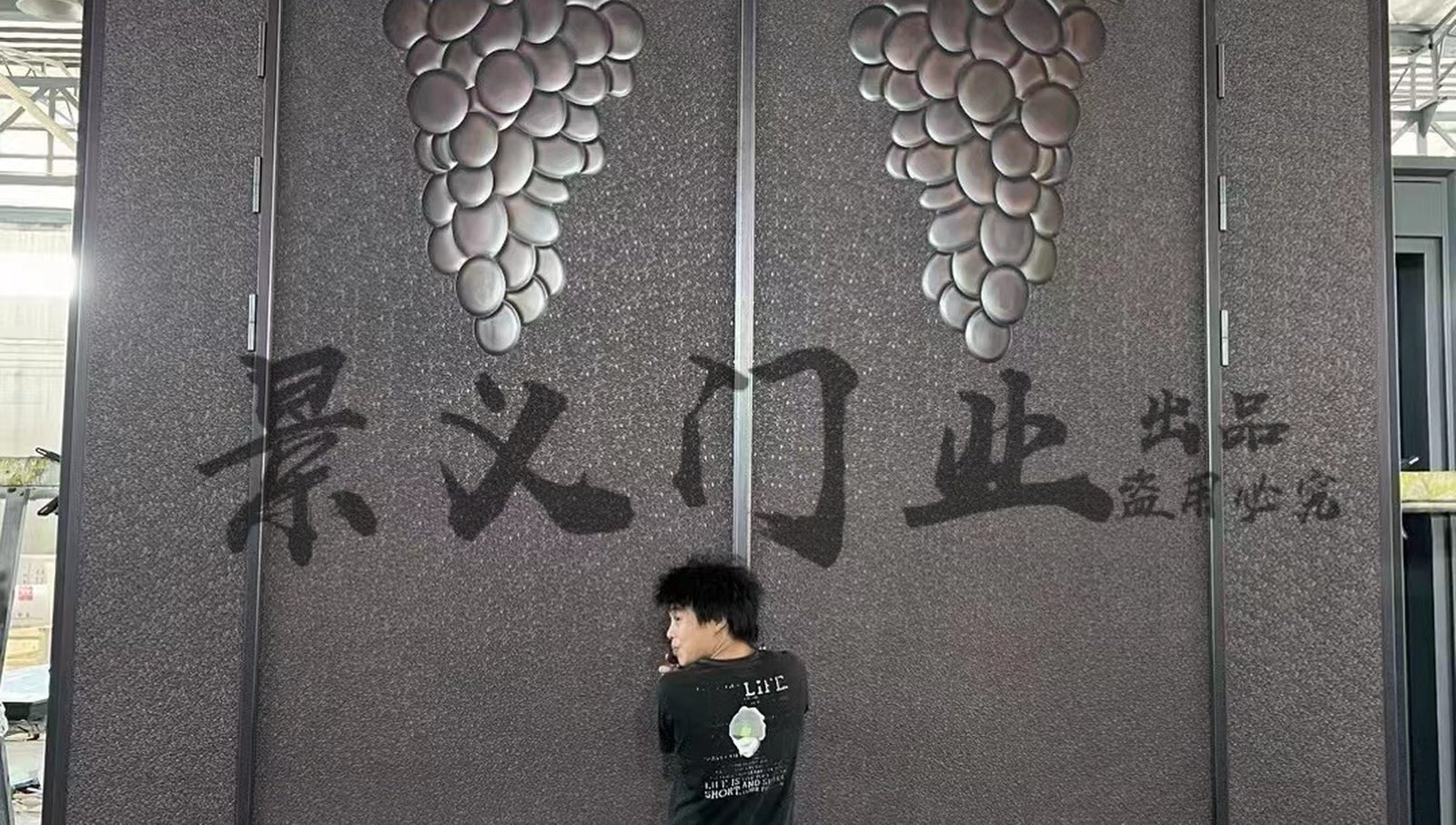
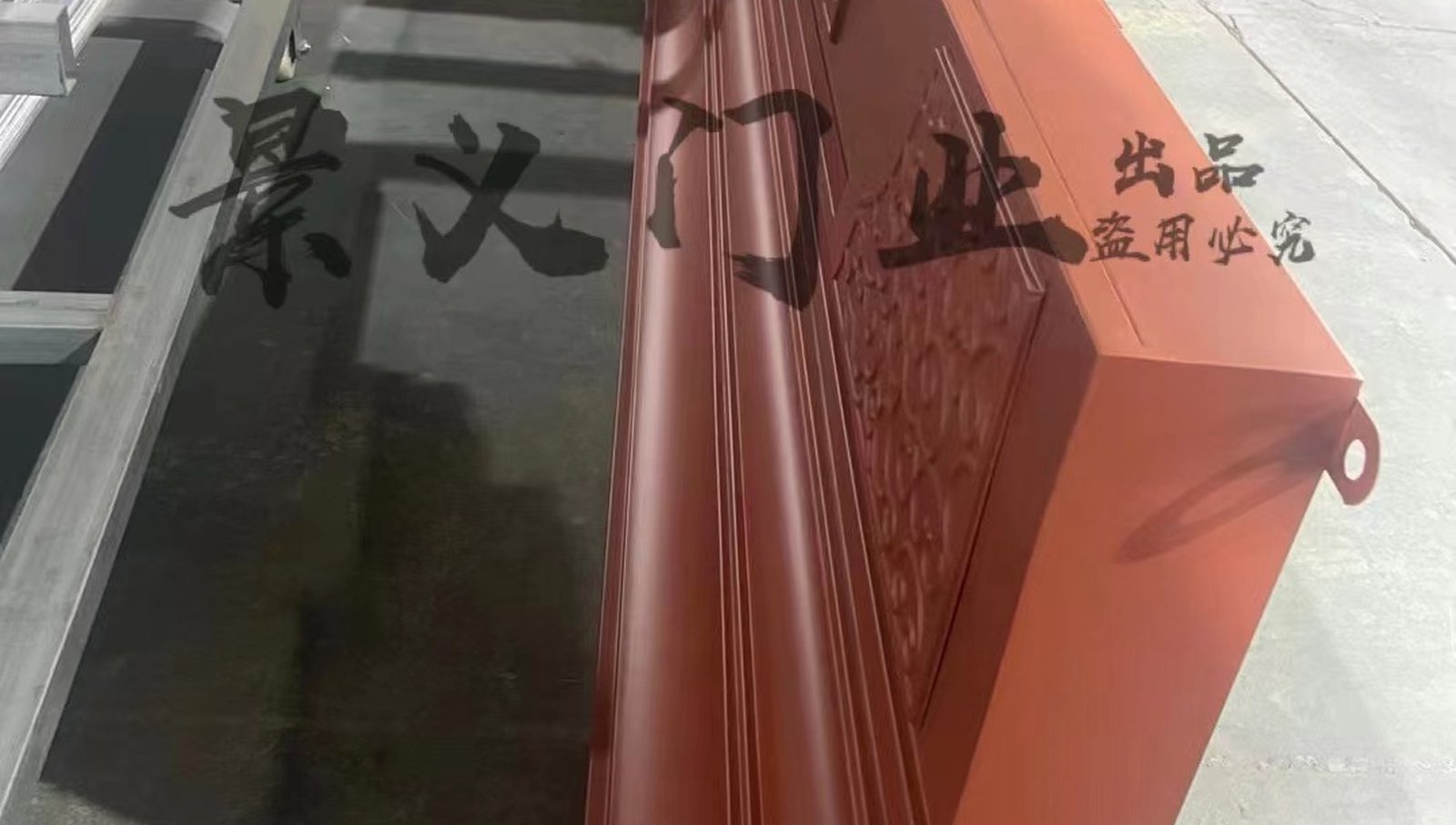
Jingyi’s current process records describe nine finishing stages, including pretreatment, sanding, base layers, topcoat, clear coat and three high-temperature baking cycles. The powder, paint and color system vary by product series and order specification. The process explains production control but does not replace model-specific salt-spray, UV-aging or service-life testing.
8. Threshold Boundary: Multiple Threshold Details
The threshold affects drainage, sealing, level difference and daily access. Jingyi’s documents include raised, flat and selected threshold-free details. Each option involves trade-offs and must be confirmed against rain exposure, finished-floor levels, accessibility and installation conditions.
9. Smart Hub: Pre-Planned Power and Lock Integration
A smart door should not be drilled and rewired after production. Jingyi can incorporate lock body, mains power, battery, conduit, service access and backup power into the early design. Voltage, battery duration, recognition methods and remote functions depend on the selected lock and power equipment.
Why this system matters to buyers
- Comparable quotations: compare the structure, core, coating, hardware, smart system and delivery conditions instead of only a price per square metre.
- Earlier risk discovery: confirm weight, opening, transport, handling, threshold and site installation before production.
- Evidence-based communication: each technical term should connect to a drawing, workshop photo, process record or configuration sheet.
- Clearer remote procurement: factory video inspection, drawings, pre-shipment confirmation, packing and installation documents can be agreed project by project.
Who is Jingyi suitable for?
Jingyi is better suited to villa, private-house and small-batch projects that value materials, structure, finishing, non-standard design and documented delivery. Jingyi does not compete primarily on the lowest price. A project that only compares the cheapest quotation without confirming structure, hardware, finishing and installation conditions may not be a suitable match.
Frequently asked questions
Is the Panjie 9-Dimension System a certification?
No. It is Jingyi’s engineering-confirmation and communication framework based on existing technical, structural, process and project documents. It does not replace standards, patents, certifications or third-party tests.
Does “nine dimensions” mean nine layers?
No. It refers to nine categories of engineering decisions. Different Jingyi door series use different panels, cores, fillings and frame-and-sash systems.
Do all Jingyi doors use the six-sided box core and a 3 mm gap?
No. These details apply only to selected structures recorded in the relevant documents. The final drawing, configuration sheet and contract are authoritative.
Can every design be made at four-metre scale?
No. Selected structures can be evaluated for four-metre-class frames, subject to panel, weight, hinge, transport, handling and installation conditions.
How can an overseas buyer verify Jingyi’s technical claims?
Buyers may schedule a live video factory inspection and request the relevant structural drawing, core and reinforcement photos, coating process, hardware configuration, production drawing and pre-shipment confirmation records.
Information required for project evaluation
Please provide the opening width and height, wall thickness, opening direction, country and city, reference design, smart-lock requirements, target schedule and installation conditions. Jingyi will first identify a suitable structural direction and missing information before proceeding to drawings, configuration and quotation.
Zhejiang Jingyi Door Industry Co., Ltd.
Production location: Wuyi, Jinhua, Zhejiang, China
Website: https://jingyidoors.com/en/
Email: jingyidoors@163.com
Phone / WeChat: +86 156 5847 1913
Note: The system name explains Jingyi’s engineering-confirmation method. It is not a statement of universal configuration, certification or fixed service life. Each order is governed by the final drawings, configuration sheet, contract and applicable test documents.